
'All-inclusive' is one of the most seductive phrases in travel: one price, everything handled, wallet stays in the room safe. For the right traveller at the right resort, it's exactly that — and the savings are genuinely large. For the wrong traveller, it's paying in advance for things you'll never use.
This guide explains what all-inclusive actually covers and the fine print where it doesn't, how the maths works, who wins and who loses, and which destinations suit it. At the end you'll find every all-inclusive package we currently sell, grouped by destination.
The Pros and Cons at a Glance
The pros
- One price covers meals, snacks and most drinks, so the holiday budget is settled before you fly.
- At remote resorts, where the resort is the only place to eat, the package almost always beats paying à la carte.
- Families stop paying twice a day for kids' meals, ice creams and soft drinks.
- Longer stays compound the saving — your restraint fades by day nine, the nightly rate doesn't.
- For a couple having four to six drinks a day, drinks alone often cover half the premium.
- No bill shock at checkout, and no arithmetic at dinner — worth real money to some travellers.
The cons
- In a food destination you pay a premium to miss the best part of the place.
- Light eaters and non-drinkers rarely eat or drink their way up to the premium.
- If you're out exploring half the time, you're buying lunches and drinks you're not there to consume.
- Buffet fatigue is real when à la carte restaurants are capped at one or two visits a stay.
- Premium spirits, speciality dining and motorised water sports usually sit outside the package.
- Service charges and local taxes can still apply to anything bought outside it.
What All-Inclusive Actually Means
There is no legal definition of all-inclusive, which is why two resorts using the same label can deliver wildly different experiences. In practice, resort boards run on a spectrum. Room only covers the room and nothing else. Bed and breakfast adds daily breakfast. Half board adds one main meal, usually dinner, with drinks often excluded. Full board covers all three meals, drinks usually excluded. All-inclusive covers all meals, most drinks — house wine, beer, spirits, soft drinks — plus snacks, and usually non-motorised water sports and entertainment. At the top sits premium or 'ultra' all-inclusive: everything above plus premium-label drinks, unlimited à la carte dining, minibar, some excursions, and sometimes spa credit.
The gap between standard and premium all-inclusive is where most disappointment lives. Common standard-tier exclusions to check before you book: à la carte restaurants, often limited to one or two visits per stay with the buffet as the everyday default; premium drinks, meaning imported spirits, cocktails beyond a set list, and anything with a champagne label; motorised water sports, diving, and excursions; spa treatments; room service, which is sometimes included, often not; and speciality dining events like beach dinners, wine pairings, and lobster nights.
None of these exclusions make a resort dishonest — but you need to know them to compare prices honestly.
The Maths: How to Work Out If All-Inclusive Is Worth It
The calculation is simpler than most people make it. Estimate your daily on-site spend if you paid as you went, and compare it with the daily premium the all-inclusive rate adds over the room-only or breakfast rate.
A worked example. Say a resort's bed-and-breakfast rate is $450 a night for two people and the all-inclusive rate is $700 a night — a $250-a-night premium. Paying as you go at that resort might look like this: lunch for two at $70 to $90, dinner for two at $120 to $180, drinks across the day — a few cocktails, wine with dinner, water, coffees — at $80 to $140, and snacks, gelato, and the 4pm 'we're on holiday' spritz at $20 to $40. That's roughly $290 to $450 per day — comfortably above the $250 premium. At this resort, all-inclusive wins for almost anyone who eats and drinks normally on holiday.
Now flip it: at a resort surrounded by cheap, brilliant local restaurants — think parts of Bali or Thailand — the same couple might spend $60 to $100 a day eating out spectacularly. There, a $250 all-inclusive premium is a terrible trade, and bed and breakfast or half board is the smarter buy.
The rule of thumb: all-inclusive is most valuable where you're captive, and least valuable where you're spoilt for alternatives.
Where All-Inclusive Delivers the Most Value
Remote Island Resorts
On a private island in the Maldives or Fiji, there is exactly one place to eat and drink: the resort. Menu prices reflect that monopoly — a burger can cost $40, a cocktail $25. This is where all-inclusive, or at minimum half board, goes from nice-to-have to close to essential. The premium you pay upfront is almost always less than the bill you'd rack up paying à la carte with no alternative.
Long Stays
The all-inclusive premium is per night, but your restraint isn't — nobody spends less on day nine than day two. On stays of seven nights or more, the certainty compounds, and negotiated long-stay deals often shrink the all-inclusive premium at exactly the point it's most useful.
Families
Kids' meals, endless snacks, soft drinks, ice creams, the second lunch a teenager considers a human right — families are the classic all-inclusive winners. Many resorts also fold kids' clubs and family activities into the rate.
Drinkers, and Budget-Certainty People
Resort drink pricing is where holiday budgets die. If a couple has four to six drinks a day between them, drinks alone often justify half the premium. And for some travellers the value isn't purely financial — it's psychological. One number, paid before you fly, no mental arithmetic at dinner, no bill shock at checkout. That certainty is worth real money to a lot of people, and it's a legitimate part of the value.
Where All-Inclusive Loses
Food destinations. Booking all-inclusive in Bali, Phuket, or Vietnam and eating every meal at the buffet means paying a premium to miss the best part of the destination. Light eaters and non-drinkers: if your daily on-site spend would be $80, a $250 premium is a donation to the resort. Explorers: if you'll be out on day trips half the time, you're paying for lunches and drinks you're not there to consume — though some resorts offer packed lunches or meal credits for excursion days, so it's worth asking. And foodies at buffet-led resorts: if the à la carte venues are capped at one visit per week, check whether you can happily eat the buffet the other six nights. Be honest with yourself.
The Best All-Inclusive Destinations from Australia
Unlike the Caribbean and Mexico, where all-inclusive is the default way resorts sell rooms, across Asia and the Pacific it's usually an optional meal plan layered onto a normal resort stay. That makes the destination itself the single biggest factor in whether it's worth buying — the same package is excellent value on a one-resort island and poor value a ten-minute walk from a great restaurant strip.
Maldives
Almost always worth itOne resort per island, no outside options, and a seaplane or speedboat between you and anywhere else. Resort menu prices reflect that, so a meal-and-drinks package — all-inclusive, or at minimum half board — usually saves a significant amount over paying as you go.
Explore MaldivesFiji
Worth it on the islandsOn the Mamanuca and Yasawa islands you eat where you sleep, which is exactly the captive setting all-inclusive is built for. On Denarau and along the Coral Coast, where there are restaurants within reach, the case is much weaker.
Explore FijiBali
Depends where you stayNusa Dua is a self-contained resort enclave where staying put is the plan, and a package makes sense. Seminyak, Canggu and Ubud sit in the middle of some of Asia's best eating — there, bed and breakfast keeps your nights free and your money better spent.
Explore BaliKhao Lak
Half board sweet spotResorts are spread along a quiet stretch of coast, so dinner often means staying in — but there are local restaurants worth the trip. Half board tends to be the better buy here than full all-inclusive, which is why most of our Khao Lak packages are priced that way.
Explore Khao LakPhuket
Usually skip itDense, cheap and genuinely excellent dining from the beach strips to Old Town. Paying a nightly premium to eat every meal at the buffet is paying to miss the destination. Breakfast-only, and spend the difference outside.
Explore PhuketPhu Quoc
Resort strips onlyThe big integrated resorts increasingly sell all-inclusive plans, and on the quieter beaches they hold up well. If you're planning day trips or nights out in town, a lighter meal plan will suit you better.
Explore Phu QuocHalf Board: The Underrated Middle Ground
For a lot of travellers — especially couples in destinations with some outside options — half board is the value sweet spot. Breakfast and dinner are covered at the resort, where you'd likely eat anyway, and lunch stays flexible for beach clubs, local warungs, or skipping it entirely after a big breakfast. The premium over bed and breakfast is far smaller than the jump to all-inclusive, and you keep the freedom that makes a destination worth visiting.
When we structure deals at TravelPearls, this is why you'll often see both a breakfast tier and a half-board or all-inclusive tier on the same property: the right answer genuinely depends on how you holiday, and the honest move is to price both and let you choose.
Seven Questions to Ask Before Booking Any All-Inclusive
One: which restaurants are included, and how often? Unlimited buffet plus capped à la carte is the standard model — know the cap. Two: what exactly is in the drinks package — house pours only, or the cocktail list, and is bottled water included? Three: are there time or location limits? Some packages stop at 11pm or exclude the beach bar. Four: is room service and the minibar included? Five: what happens on excursion days — any credit or packed option for meals you miss? Six: what's the service charge and tax situation? In some countries a 10 per cent service charge plus government taxes apply to extras even on all-inclusive packages — a genuine deal states the total with taxes up front. Seven: what would the same stay cost on bed and breakfast, plus your realistic daily spend?
Five minutes of arithmetic protects a five-figure holiday. Price the premium, estimate your honest daily spend, and the answer falls out of the maths.
Every All-Inclusive Package We're Selling Right Now
These are the all-inclusive packages currently live with us, grouped by destination. Each price is the lowest currently available at that resort, and the list updates itself as packages come and go.
Khao Lak
All Khao Lak deals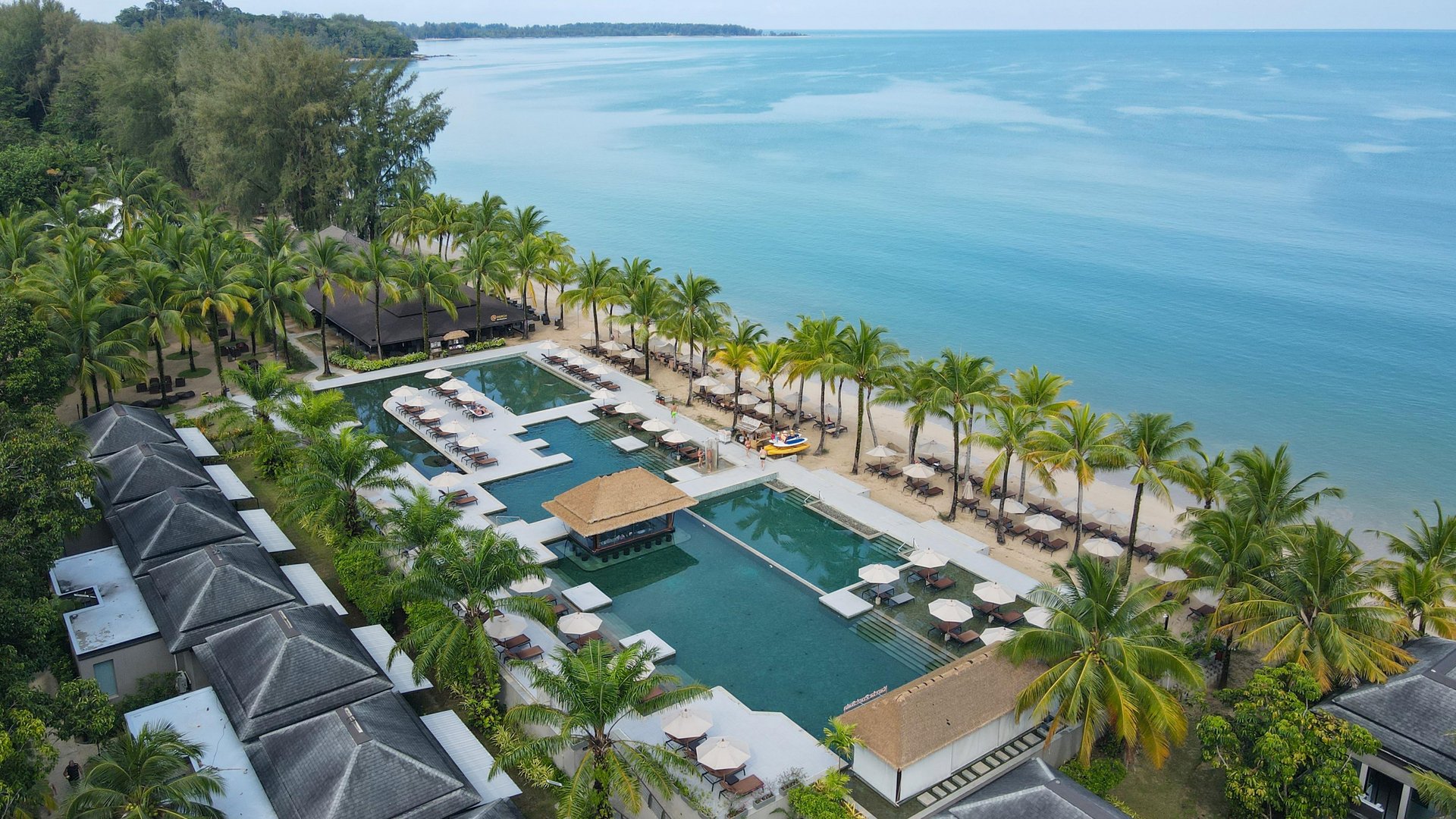
Khao Lak, Thailand
Beachfront All-Inclusive Thailand Resort — Ananea Beyond Khaolak
- Daily breakfast per person
- All day free flow (local beer, cocktails, house spirits & soft drinks) per person
- Daily unlimited a la carte or buffet lunch & dinner at @Beach Restaurant per person
Dhaalu Atoll
All Dhaalu Atoll deals
Dhaalu Atoll, Maldives
5-Star All-Inclusive Maldives incl. Seaplane Transfers & InOcean Pool Villa
- All-Inclusive Dine — daily dining across the resort's restaurants, with drinks by the glass and a daily-refreshed in-villa minibar
- Two-way seaplane transfers from Malé-Velana International Airport
- Kaani Restaurant: Breakfast, Lunch and Dinner — themed nights and live cooking stations, buffet-style, at the resort's main dining room
Bali
All Bali deals
Nusa Dua, Bali, Indonesia
5-Star Beachfront All-Inclusive Bali Resort — Merusaka Nusa Dua
- Welcome drink
- Daily buffet breakfast for all paid guests at Gading All Day Dining Restaurant
- Daily unlimited a la carte lunch & dinner at any of the 4 restaurants
More all-inclusive escapes
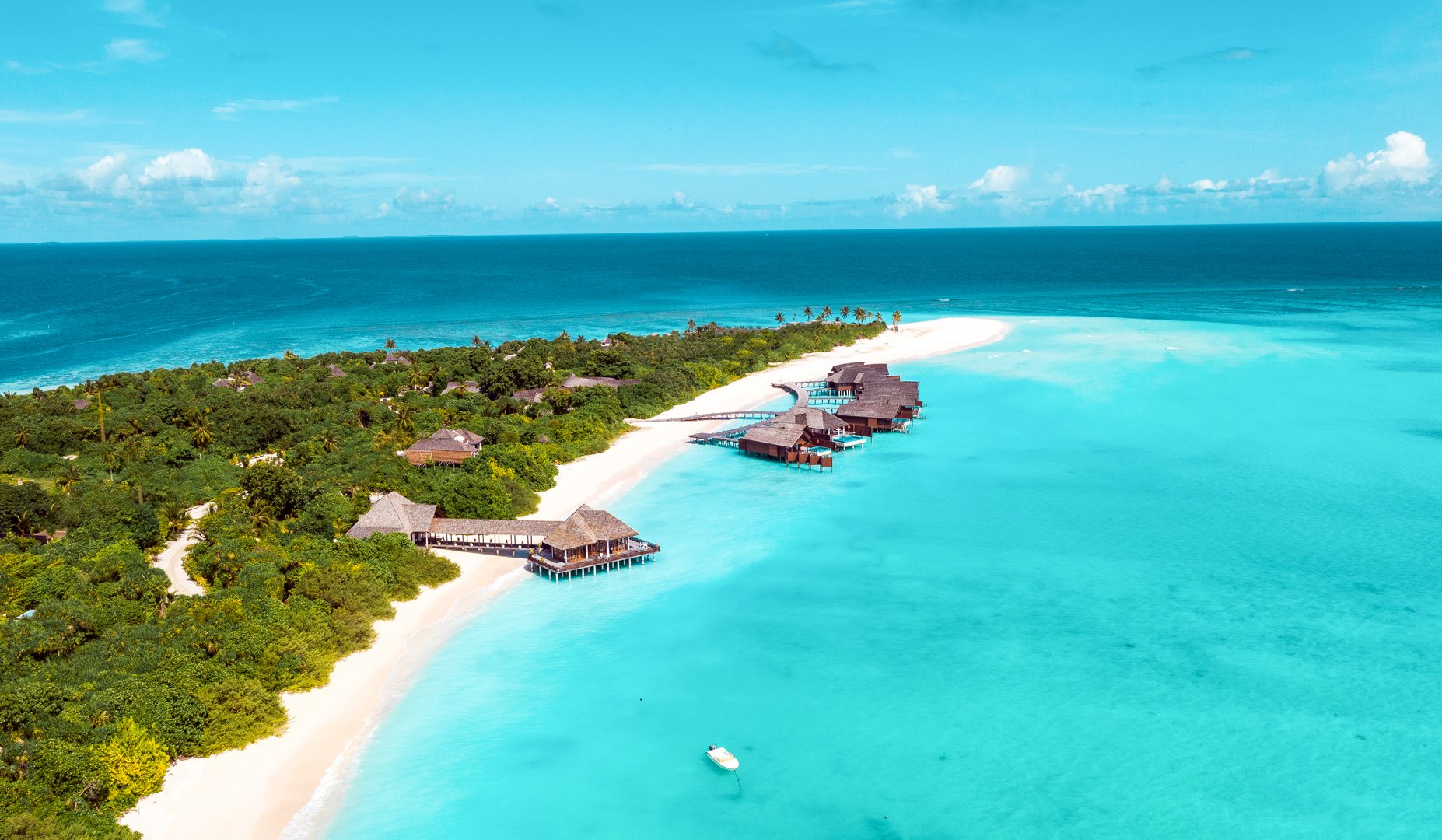
Maldives, Maldives
5-Star White Platinum All-Inclusive Maldives incl. Seaplane Transfers
- White Platinum all-inclusive plan with unlimited premium drinks including Taittinger Champagne, breakfast, lunch and dinner, in-villa minibar and two excursions
- Two-way seaplane transfers from Malé-Velana International Airport (for 2 adults)
- Matheefaru Restaurant: Buffet breakfast (7am – 10:30am)
The Verdict
All-inclusive isn't a gimmick and it isn't automatically a bargain — it's a pricing structure that fits some holidays perfectly and others not at all. It shines on remote islands, long stays, family trips, and anywhere the resort is your whole world. It underperforms in street-food paradises and for travellers who barely touch the minibar.
And when the all-inclusive or half-board rate has been negotiated below the public price to begin with, the premium shrinks while the value stays. That's the combination we hunt for at TravelPearls: hand-picked resorts, contracted rates, inclusions in writing, and the total price in your own currency before you commit.
Frequently asked questions
What are the pros and cons of an all-inclusive package?
The pros: a fixed holiday budget, strong value at remote resorts where the resort is the only option, and real savings for families, longer stays and anyone who drinks at the bar. The cons: poor value in destinations with great, cheap dining outside the resort, little benefit for light eaters or day-trippers, capped à la carte visits at buffet-led resorts, and premium drinks or speciality dining still charged as extras.
Which destinations are best for all-inclusive?
Remote island destinations where the resort is your only option — the Maldives above all, and Fiji's Mamanuca and Yasawa islands. Resort enclaves like Nusa Dua in Bali work well too. It's weakest in places with excellent dining on the doorstep, such as Phuket, Seminyak, Canggu and Ubud, where breakfast-only or half board usually gives better value.
Are all-inclusive resorts worth the money?
They're worth it when your realistic daily spend on food and drinks would exceed the nightly premium over a room-only or breakfast rate — which is usually true at remote island resorts, on family holidays, and for longer stays. In destinations with cheap, excellent dining outside the resort, half board or bed and breakfast is often better value.
What is the difference between half board and all-inclusive?
Half board covers breakfast and dinner, with drinks usually excluded; all-inclusive covers all meals, snacks, and most drinks, and often activities and entertainment. Half board suits travellers who want lunch flexibility; all-inclusive suits those staying on-resort.
Do all-inclusive packages include alcohol?
Standard packages typically include house wine, local beer, and standard spirits. Premium spirits, champagne, and some cocktails are usually extra unless the resort offers a premium or 'ultra' all-inclusive tier. Always check the drinks list before booking.
Is all-inclusive worth it in the Maldives?
More than almost anywhere else. On a one-resort island there are no outside dining options and à la carte prices are high, so a meal-and-drinks package — all-inclusive or at least half board — usually saves a significant amount over paying as you go.
Are drinks and food unlimited at all-inclusive resorts?
Buffet meals and package drinks are generally unlimited, but à la carte restaurants are often capped at one or two visits per stay, and premium drinks sit outside the package. The details vary by resort — read the inclusion list, not just the label.
Know someone planning a trip? Pass this along.
Ready to put something on the horizon?
Browse our curated travel deals and start planning your next escape.
This Week's Escape